


Description
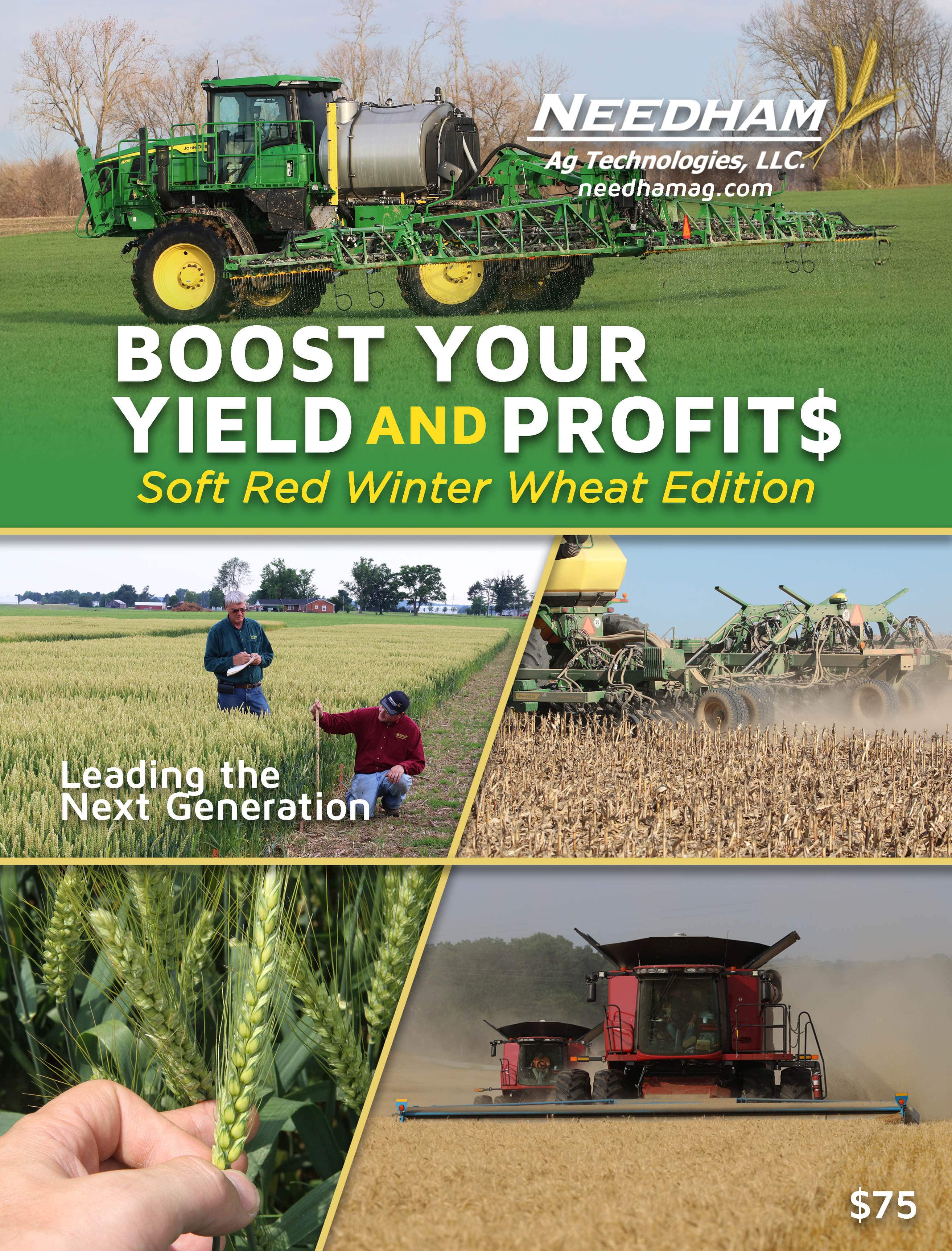
The New Soft Red Winter Wheat Guide Is Now Available !
It is tough right now to make money with wheat (or any crops), so wheat producers need to boost their bushels, to dilute input costs and make a profit. This new SRWW guide helps walk producers step by step through the growing season, to help them understand where the best money is spent to maximize yields and control input costs. Grain quality is important too, this topic is discussed in detail to help growers get the best price per bushel at the elevator/mill, especially in the years where fusarium (Head Scab) pressure is higher, or in a season with frequent rainfall during harvest.
This professionally published soft red winter wheat guide contains 222 glossy color pages (plus card-stock glossy cover) and 501 color photographs, tables and graphs. It is written to help producers across the eastern U.S. and Eastern Canada (The SRWW production region) take their wheat management system to the next level. Note: We also have a Hard Red Spring Wheat Guide AND a Hard Red Winter Wheat Guide available to producers who raise those classes of wheat, these are also available within this online store.
This guide was written by Phil Needham, a wheat agronomist with over 40 years of wheat management experience, working with growers and dealers in over 12 countries. This guide offers a balance of replicated research and field experience across the SRWW production region, to help build a sound foundation to create higher yields and greater profits from the very start.
Contents.
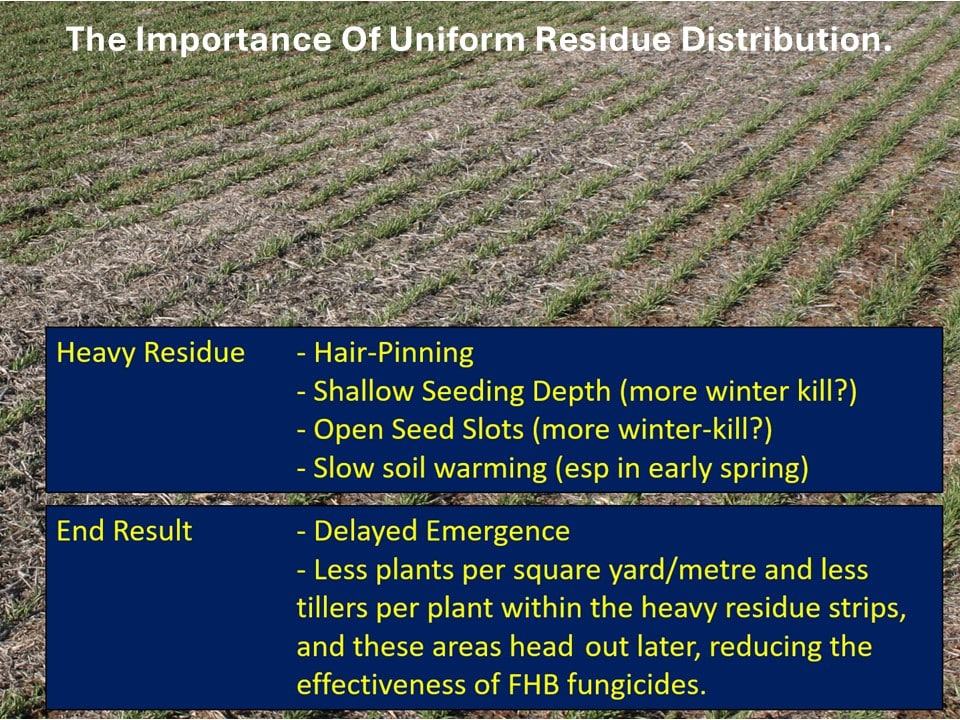
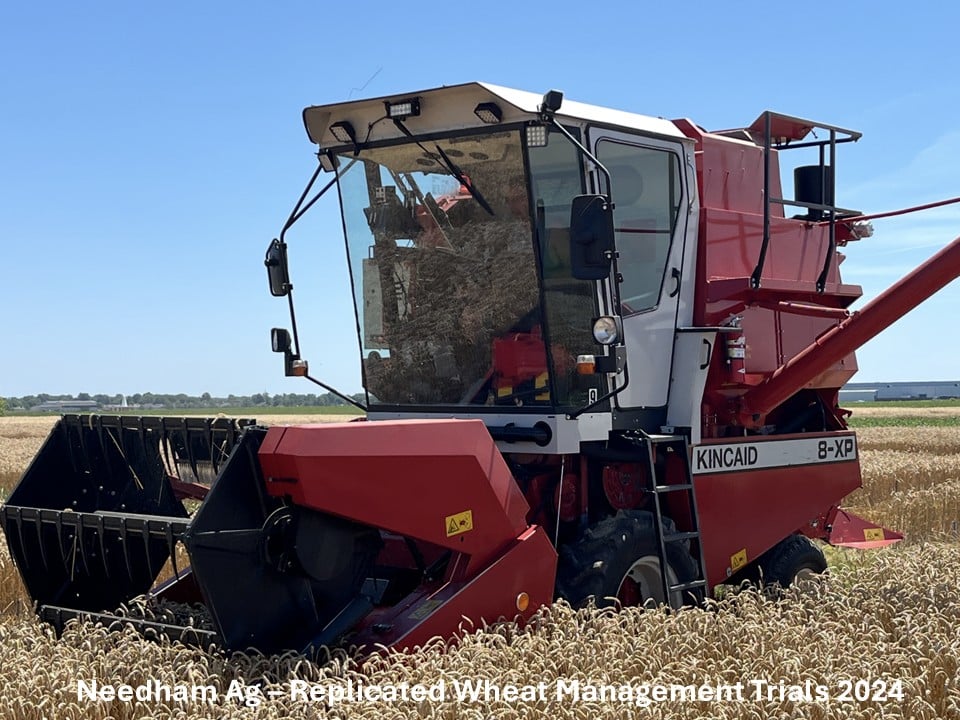
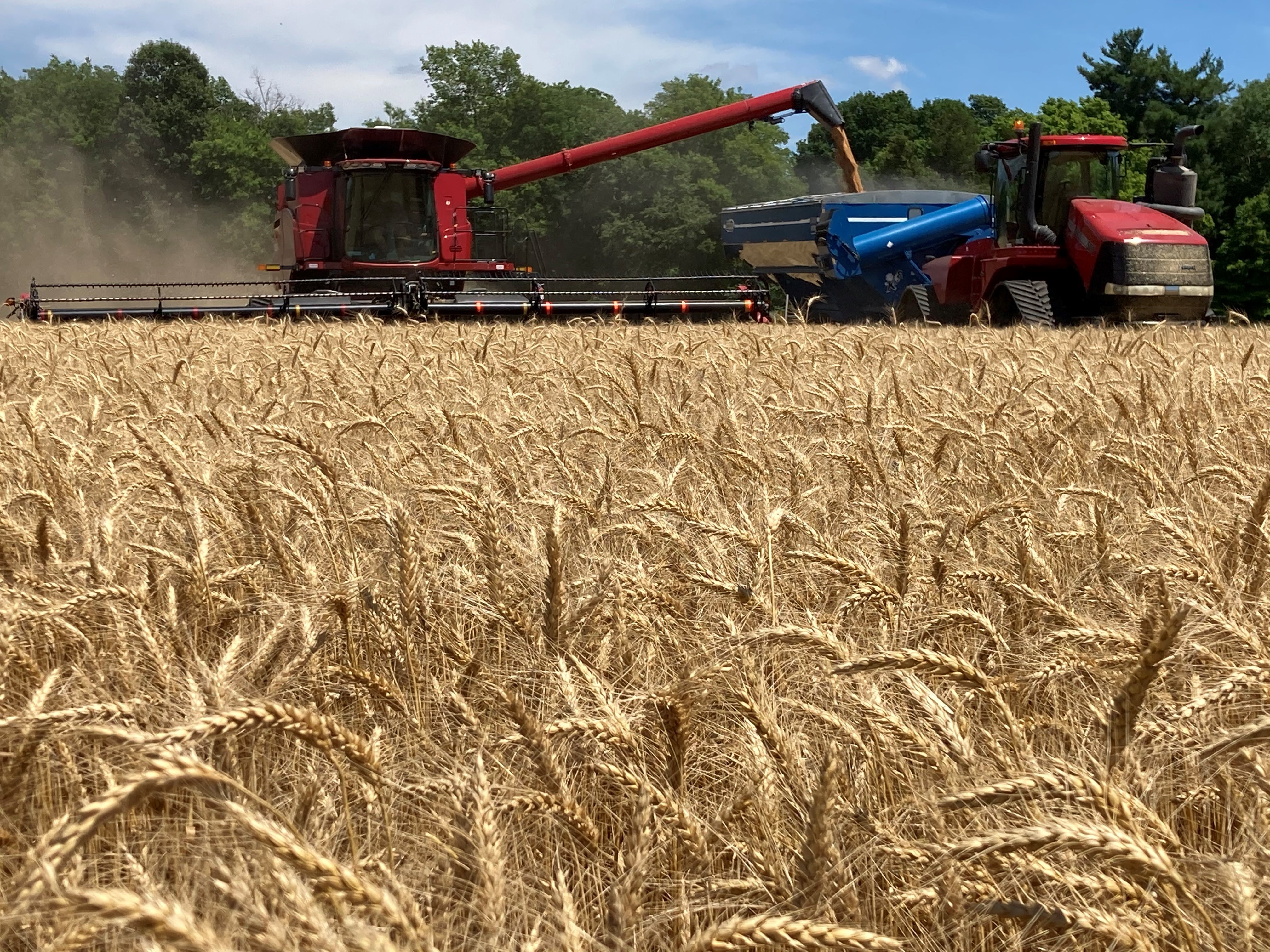
This guide begins with the unform distribution of residue during the previous crop harvest (this is very important for uniform wheat emergence and growth). This section discusses most of the popular combine brands (including the newer models: John Deere X9, Case IH AF11 and New Holland CR11) and their chopper/spreader options, with many setup procedures we have used to improve the spread width (and standards of uniformity within the spread width). Next, there is a section on selecting the best wheat varieties for your operation, for maximum yields, optimal crop standability, disease ratings (especially fusarium tolerance) and good grain quality. It continues with seeding technologies, including discussion on different brands/type of the most popular brands of drill/air-seeder and their setup and operation. It also discusses seeding depth and seed populations for both no-till and conventional tillage systems across different regions and planting dates. There is also a section on row spacing (with lots of different replicated research across many different SRWW production regions, showing the yield and profit responses to narrower rows). P placement options (in the row with the seed) is also discussed in detail, with lots of replicated research showing the yield responses of both dry and liquid products, across different soil test P levels and planting dates.
The guide next outlines how to evaluate crop emergence, conduct fall stand counts and establish the quality of emergence uniformity, and the ranges we are looking for (within specific planting date ranges and regions). Spring management strategies are discussed next with nitrogen application systems, rates and timings, all the way through to fungicides, insecticides, herbicides and growth regulators. This guide also features a comprehensive section which discusses most wheat diseases and viruses, with their suggested control strategies.
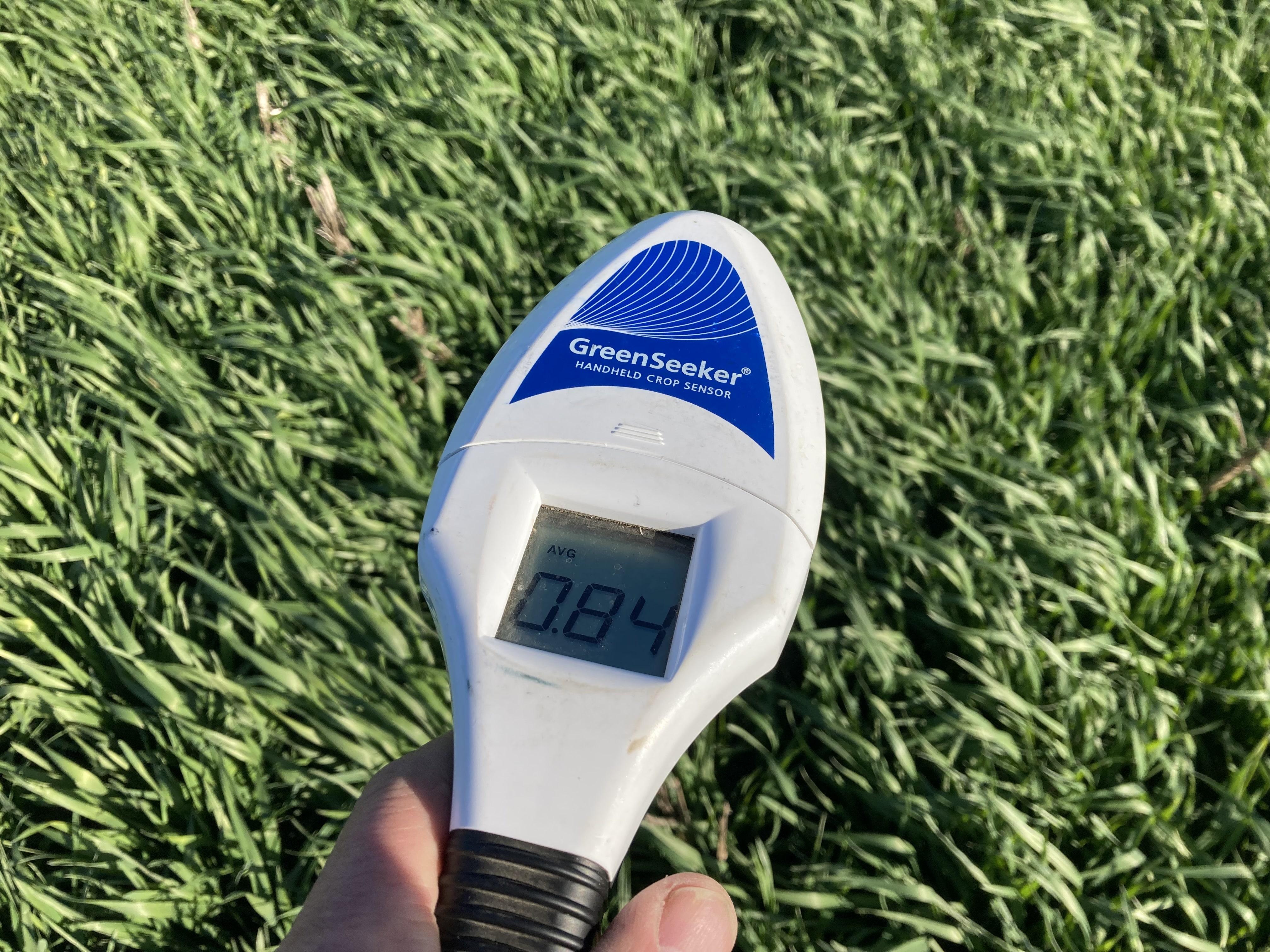
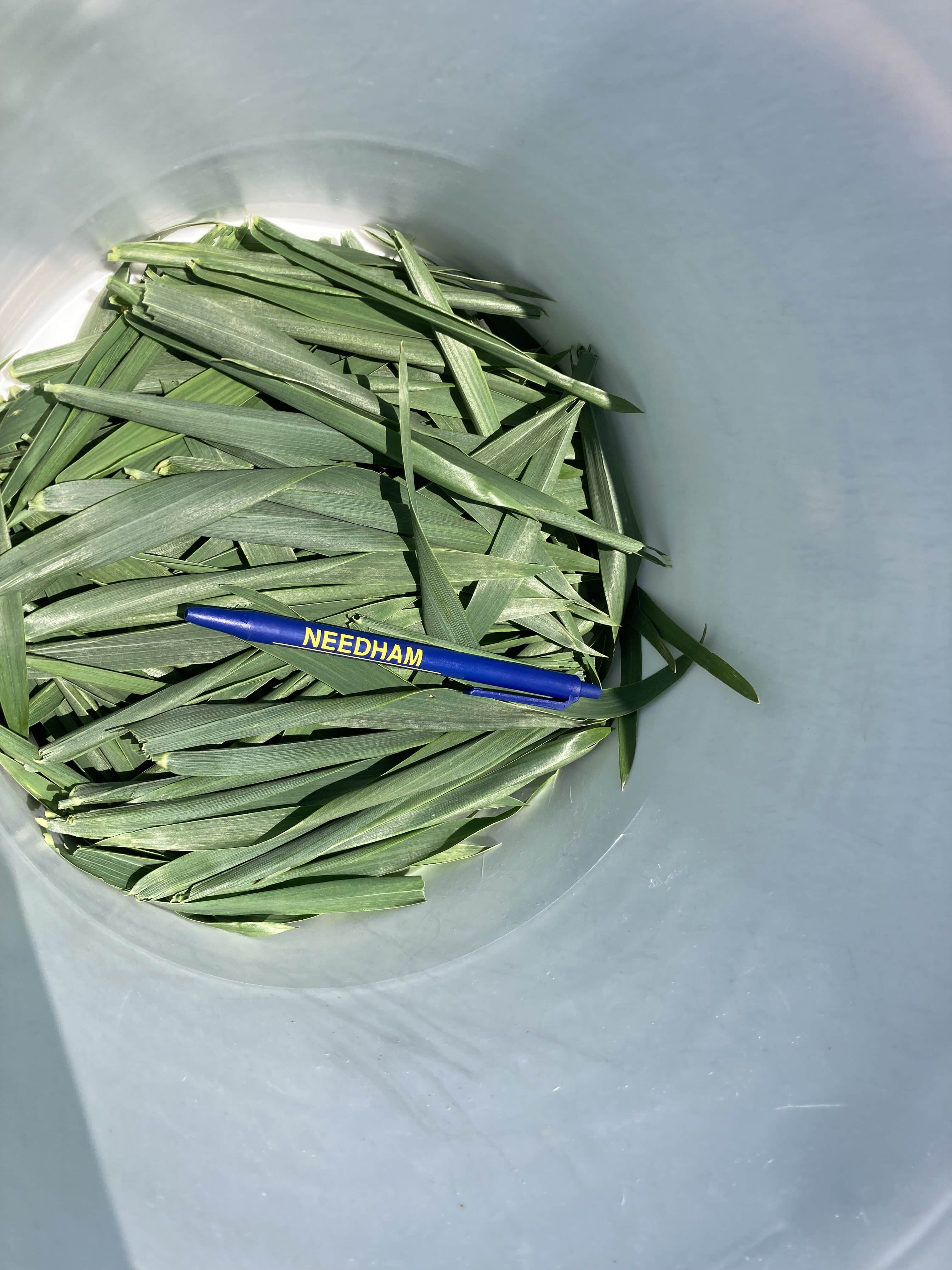
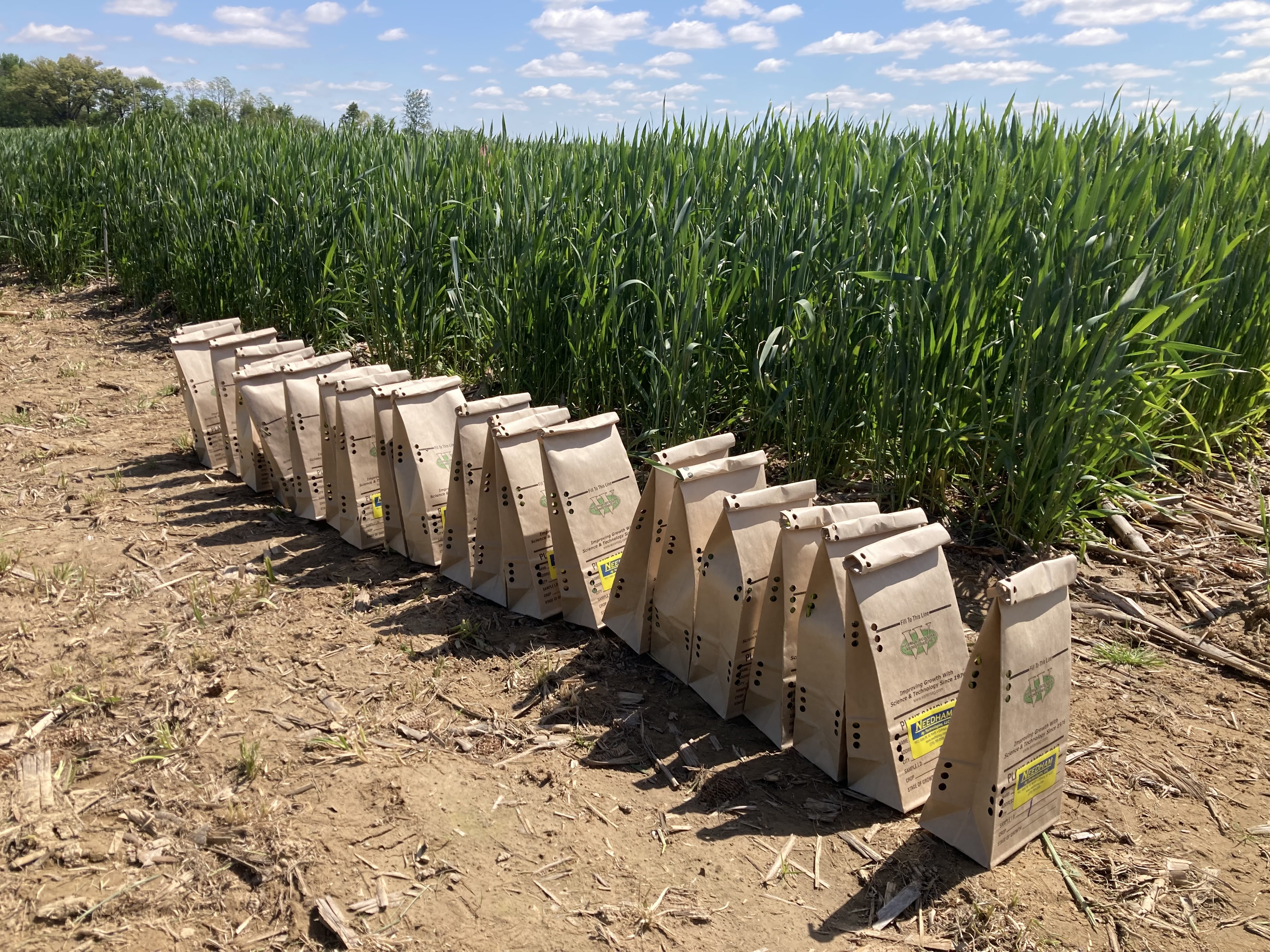
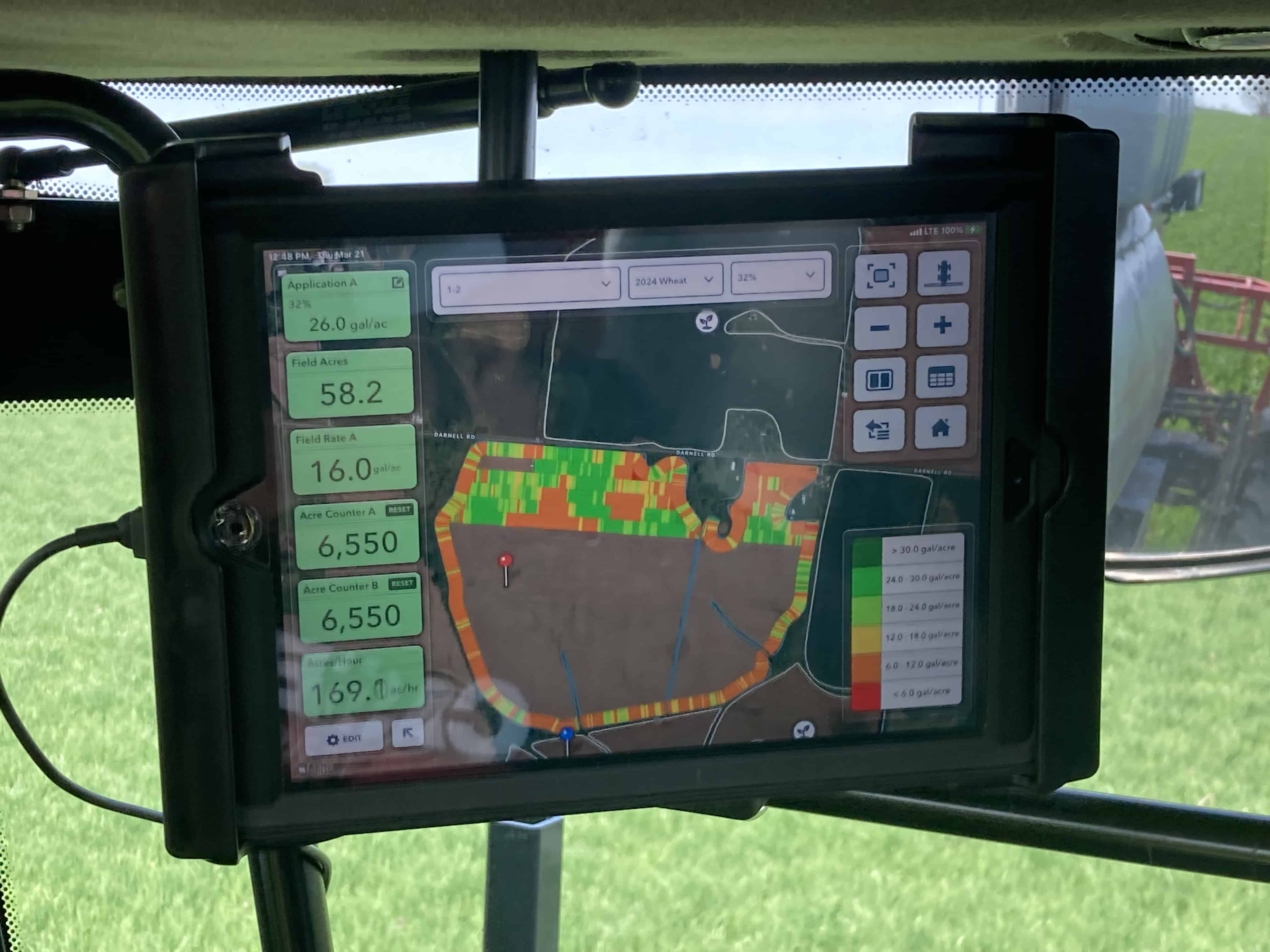
There is also content on advanced subjects, such as what growth stages can impact yield the most. There is also detailed information and research on optical sensing for variable rate nitrogen, tissue sampling for macro and micronutrient applications, foliar application products, rates/timing, plus head populations and biomass and their effects on wheat yields. Post harvest grain analysis is also discussed to help with future field fertility based on grain removal.
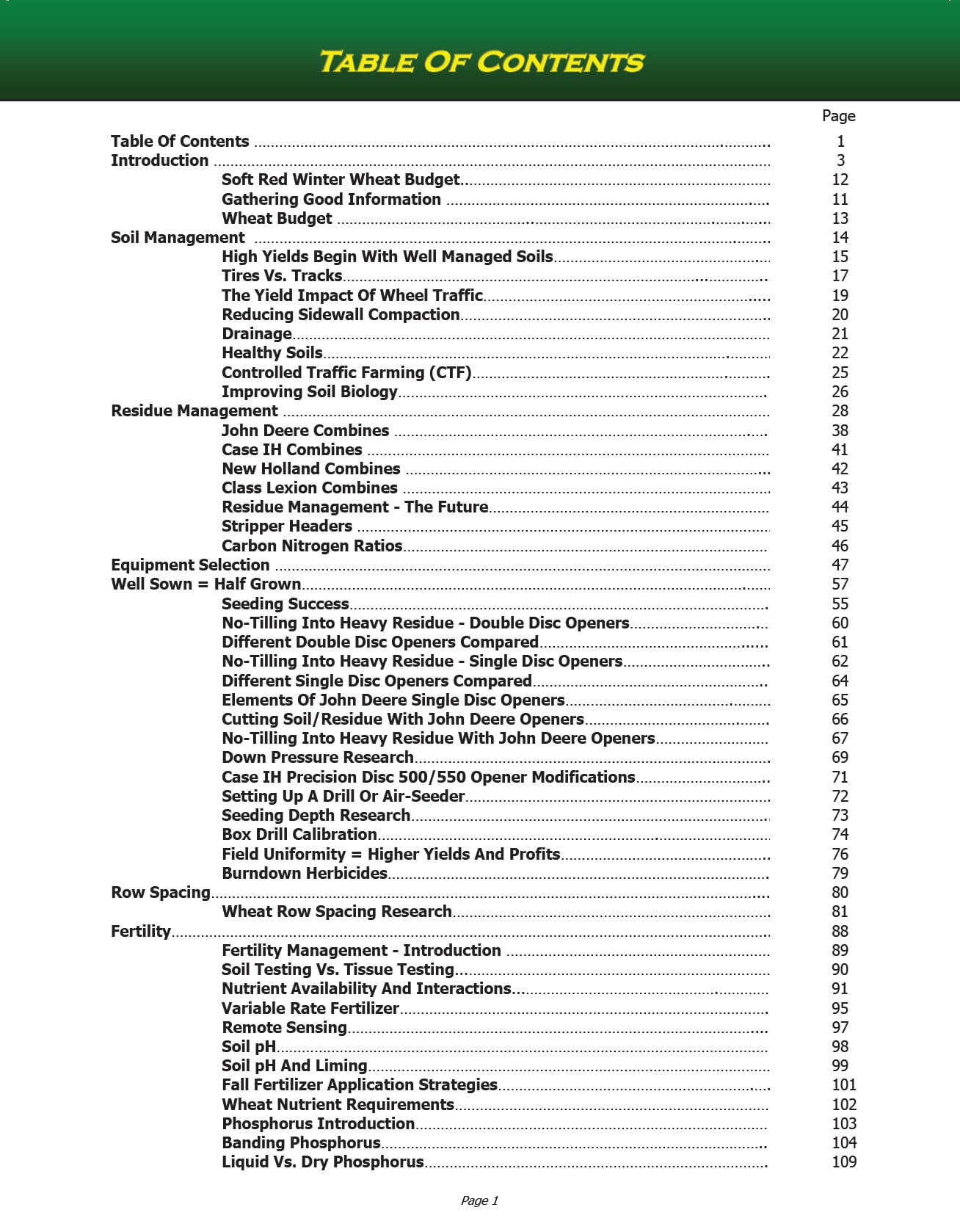
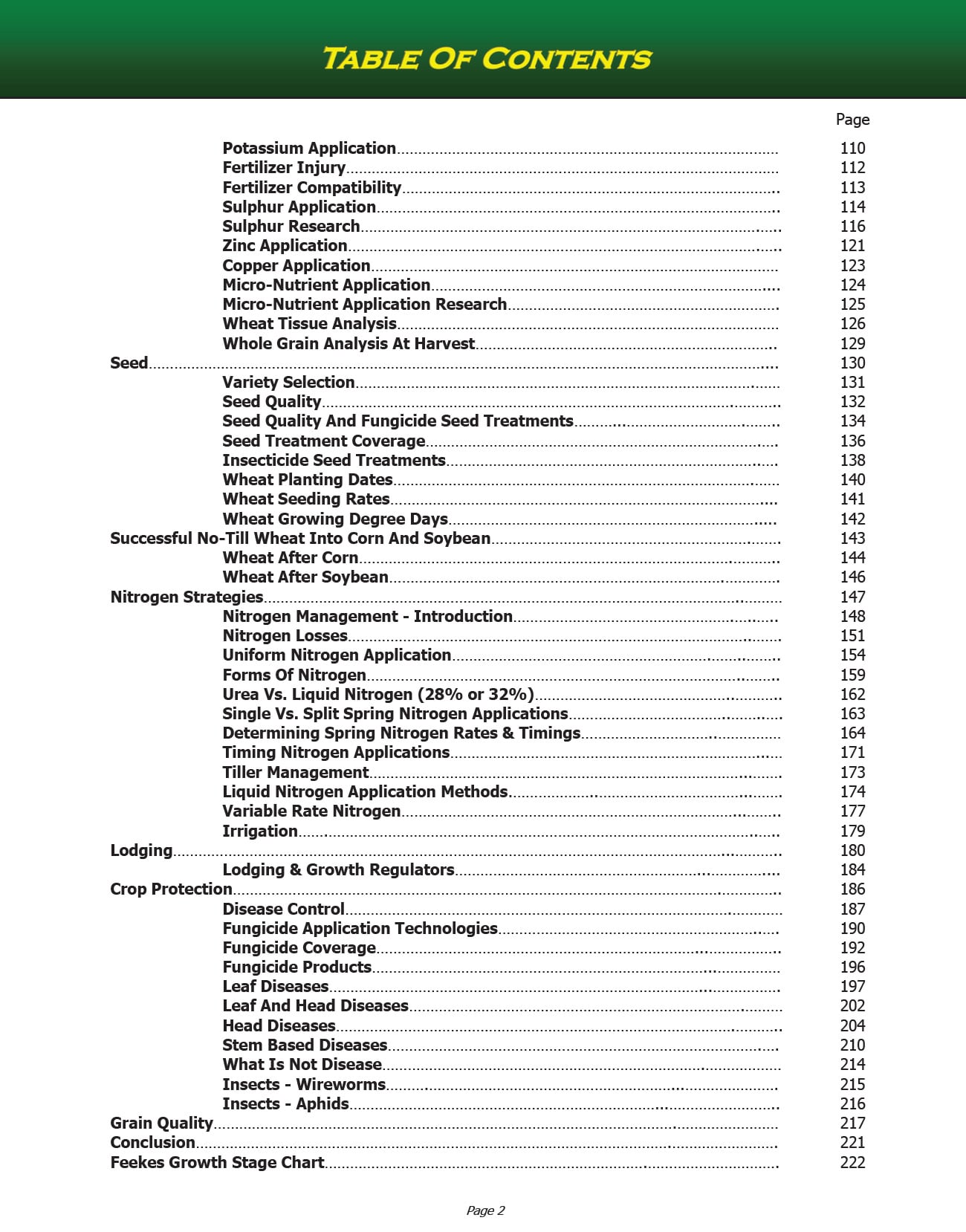
For more information on the topics covered within this wheat guide, see the two table of contents pages attached to this page.